
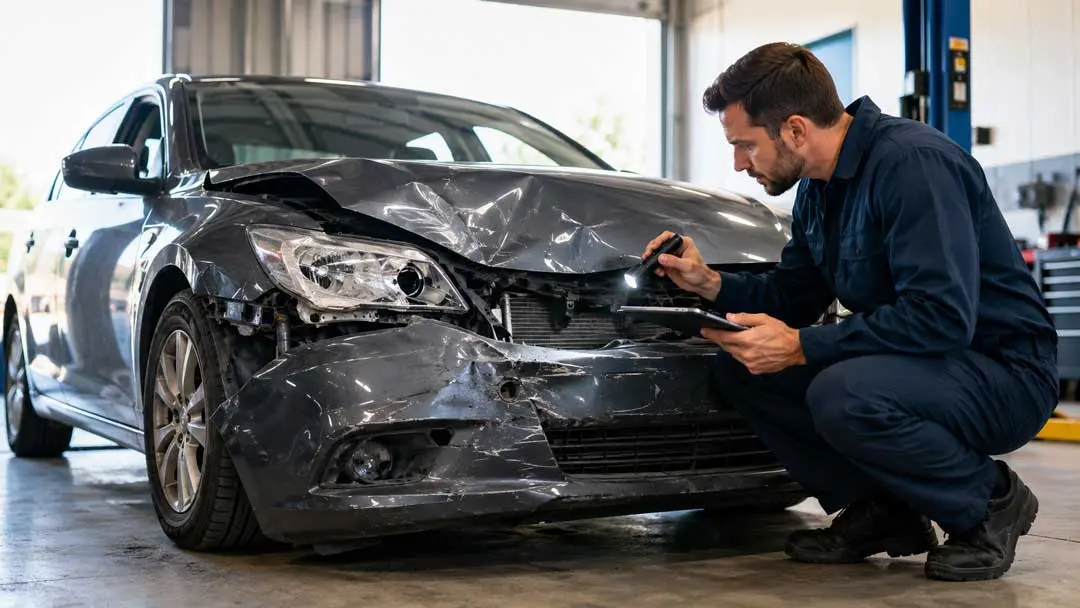
After a car wreck in Tyler, TX, your vehicle can have damage that isn’t always easy to see at first glance. Even minor crashes may leave clues that you should not ignore if you want to stay safe and avoid big repair costs later on. At times, big issues show up as odd sounds each time you start to drive again. These noises may initially seem small, but they point to trouble deep in your engine or suspension system after a crash.
If you spot puddles under your parked car, you should act fast since leaks can hurt safety and drive up repair bills. If your steering feels off-center, you can be at real risk since it can affect how well you control your ride, a concern for you if you’re already shaken after an accident near home in East Texas. When dashboard warning lights stay on, it indicates electrical or mechanical issues.
With all these risks, it helps if a professional checks them promptly to ensure safe travel. Let’s look at the most common red flags.
Unusual Noises After a Collision
Odd sounds after a car wreck in Tyler most certainly point to deeper issues, so you should listen close.
- Clunking Noises: Loud clunks when you drive over bumps can point to suspension damage or loose control arms.
- Grinding Sounds: If you hear a harsh grind while you turn the wheel, the problem may involve worn steering ball joints or a damaged rack.
- Squeaking During Turns: If you hear squeaks when you steer, it often means there are problems with the steering system’s moving parts.
- Clicking or Buzzing Near the Dash: New clicking or buzzing sounds from behind the dashboard may point to bad car sensors or issues with the power system.
- Noise Gets Worse With Speed: If a sound gets louder at higher speeds, you could have hidden mechanical damage that you should have checked by a pro to avoid personal injury in a car wreck.
Visible Fluid Leaks Post Accident
Leaking fluids after a car wreck are a clear sign you need a full check of your car. The color, spot, and feel of these leaks give you clues about hidden issues.
- Coolant Leak: A bright yellow, green, orange, or pink puddle under your engine could mean leaking coolant. It feels slick to the touch and has a sweet smell, which you may spot soon after a crash. If you leave this leak alone, it can make your engine overheat or lead to very high repair bills.
- Red Fluid Leak: Red fluid pooling toward the front, middle, or rear of your car can point to a transmission or power steering fluid leak. You may see a light or dark red spot that feels thicker than oil and gives off a faint burnt, sweet smell. If you don’t get it checked, you could end up with shift trouble or even lose steering help.
- Clear or Blue Fluid Leak: Spotting a clear puddle under your vehicle right after running the AC is normal and is likely just condensation. However, if you see blue, water-thin fluid with a soapy, booze-like smell, it may be windshield washer fluid. While washer fluid leaks are less serious, any ongoing or odd leaking should still prompt a pro check.
Alignment Issues Impacting Driving Safety
Misaligned wheels after a car wreck can create big safety risks, so let’s look at how alignment issues will affect your driving.
- Tire Wear Increases: Misalignment often leads to uneven tire wear, which means your tires lose grip and you need to replace them much faster.
- Harder Control: You may find it harder to control your car, especially when you steer or brake, according to a Car and Driver road-safety study in 2024.
- Greater Fuel Use: A vehicle with bad alignment makes its tires drag, which leads to a drop in gas mileage according to Consumer Reports.
- Less Reliable Safety Tech: If your vehicle uses driver aids such as lane keeping or adaptive cruise, alignment problems may cause those systems to work less well.
Dashboard Warning Lights Remain Illuminated
Once you notice your vehicle pulling to one side, you might also see dashboard warning lights that stay on. The check engine light is one of the most common signs and may mean issues from a loose gas cap to a bad catalytic converter, as noted by Consumer Reports. It’s never a good idea to ignore a warning light after a car wreck because you could face causes that range from simple to severe, sometimes building on hidden crash damage. There are times when it warns of a real risk, such as a flashing check engine icon or an oil pressure warning, both of which need fast care.
It shows something is wrong. You could have a coolant leak that makes your engine run hot. You may see a battery warning icon, telling you there may be a problem with your charging system. Each of these lights points to a clear problem tied right to your car’s safety and performance.
If you had a recent car wreck, dashboard lights that won’t turn off are a clear sign you need an inspection. Many drivers in Tyler and Oklahoma City overlook car problems after a wreck, but doing so can lead to even bigger headaches. Small shakes or odd sounds might seem unimportant at first. These changes can mean hidden frame damage.
Don’t ignore leaks from your car. Even a slightly misaligned frame can affect your safety on East Texas roads.
If you notice changes in how your car handles, it’s time for you to get a professional check. Local mechanics can find issues before they turn into big hazards. At Gibbins Law Firm, we not only care about the legal hurdles, we also speak with families every week about the risks that come after a car wreck and what to do next to find your feet again.
Your safety comes first, in every way. Protect your loved ones and peace of mind by staying alert to such signs to avoid further risks.