
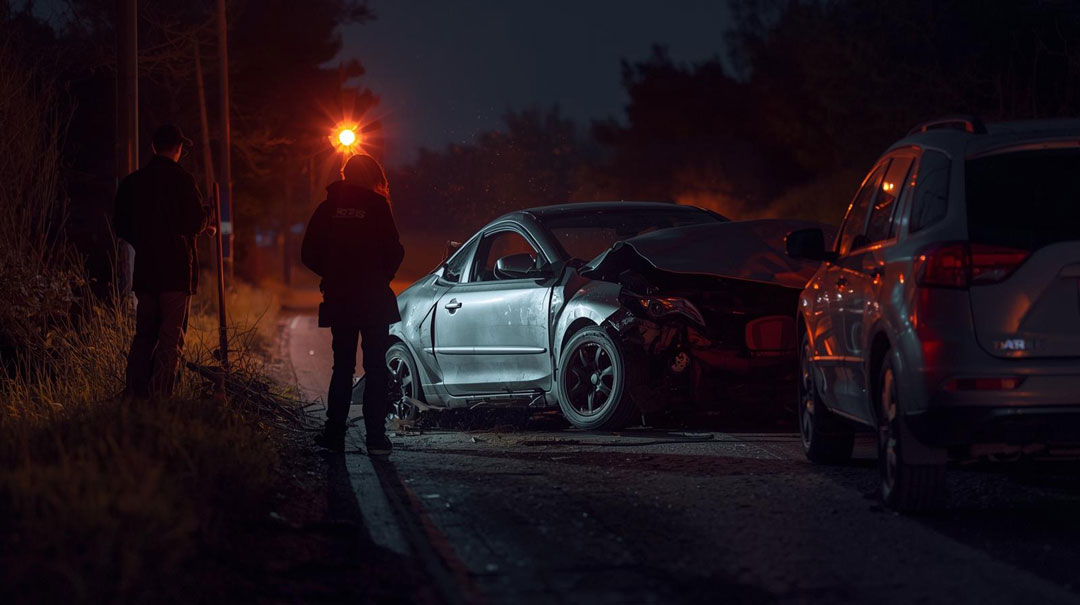
Driving at night brings unique challenges that many drivers often overlook. Low light makes it harder to spot hazards in time, reducing reaction windows by critical seconds. Fatigue tends to set in faster after dark, and that tiredness can cloud judgment and slow reflexes.
Nighttime also sees a measurable increase in impaired driving compared with daylight hours. When this combines with speeding or reckless behavior on less busy roads, the risk of serious collisions rises. Depth perception declines in low light, and glare from oncoming headlights can further distort visibility.
In East Texas, where rural highways, dimly lit roads, and wildlife crossings are common, these risks can escalate quickly. When a nighttime crash occurs, understanding how and why it happened becomes essential to protecting your rights and your recovery.
Reduced Visibility and Limited Reaction Time
Reduced visibility and slower reaction times are key concerns at night. These issues significantly increase the likelihood of a collision after dark. If you are injured in one of these crashes, a personal injury lawyer in Tyler can help evaluate how visibility and roadway conditions contributed to the accident.
Limited Sight Range: Even with headlights on, visibility is typically limited to 100-200 feet. That is far shorter than daytime visibility, which reduces the time available to react to obstacles, stalled vehicles, or pedestrians.
Overconfidence in Darkness: Many drivers believe they see better at night than they actually do. This misplaced confidence can lead to unsafe speeds and delayed responses.
Environmental Hazards Exacerbated: Poor lighting increases the danger of rural highways and unlit streets. Sudden encounters with wildlife, debris, or faded lane markings become harder to anticipate.
Delayed Hazard Recognition: Dark clothing, disabled vehicles without proper lighting, and uneven road surfaces are more difficult to detect after sunset.
These visibility challenges create conditions where even cautious drivers may struggle to respond in time.
Increased Driver Fatigue and Drowsiness
Dimmed headlights are not the only hazard after dark. Fatigue plays a powerful role in nighttime collisions, especially for drivers working late shifts or traveling long distances.
Altered Body Clocks: Night shift workers experience disrupted sleep cycles, increasing the likelihood of drowsy driving.
Dramatic Statistics: Research has found that up to 37.5% of drivers in a study experienced near-crash events following night shifts.
Micro-Sleeps Behind the Wheel: Brief lapses into sleep can occur without warning. Even a few seconds of inattention at highway speeds can lead to serious consequences.
Reduced Cognitive Function: Fatigue slows reaction times and affects decision-making, both of which are critical during sudden roadway hazards.
In East Texas, where highways often stretch long distances between towns, fatigue-related crashes are a real concern.
Higher Incidence of Impaired Drivers
Nighttime hours bring a noticeable rise in impaired driving. Alcohol-related crashes are significantly more common after dark.
Increased DUI Activity: Law enforcement reports higher DUI arrests during nighttime hours, reflecting greater impairment risks.
Alcohol and Fatal Crashes: National data shows alcohol impairment in fatal crashes is approximately four times higher at night.
Holiday Trends: Major holidays and weekends often see spikes in impaired driving activity.
Bar Closing Hours: Traffic volume may decrease late at night, but impairment risks often peak around closing times.
A car wreck in Tyler, Texas, involving impaired driving often results in serious injuries, particularly on high-speed roadways.
Elevated Risk of Speeding and Reckless Driving
Darkness can create a false sense of open space on the road. Fewer visible vehicles sometimes encourage higher speeds.
Youth Driver Risk: According to the CDC, drivers aged 16 to 19 are three times more likely to be involved in fatal nighttime crashes.
Weather-Related Hazards: Rain, fog, or sudden storms combined with darkness increase stopping distances and reduce control.
Large Vehicle Limitations: Commercial trucks already have visibility limitations. Night conditions make blind spots more dangerous.
Wildlife Encounters: Dusk and nighttime hours are peak periods for deer and other wildlife crossings in East Texas.
The combination of speed and low visibility significantly increases injury severity in collisions.
Challenges with Nighttime Depth Perception
Navigating roadways at night introduces challenges in judging distance and speed. Low light alters how objects appear, especially when shadows obscure detail.
Reduced Contrast: Darkness reduces the ability to distinguish between the background and obstacles.
Shortened Sight Distance: The Federal Highway Administration notes that nighttime sight-distance limitations contribute to higher crash rates.
Pedestrian Visibility: Pedestrians are harder to detect, contributing to higher nighttime pedestrian fatality rates.
Urban and Rural Contrast: In cities like Tyler, nightlife, traffic, and mixed lighting conditions add to the complexity.
These perception issues often play a role in determining liability and crash reconstruction.
Glare from Oncoming Headlights
Glare remains one of the most underestimated nighttime driving hazards.
Glare Intensity: Bright LED headlights can temporarily impair oncoming drivers’ vision.
Regulatory Concerns: Public petitions have called for stronger headlight standards due to glare-related crash concerns.
IIHS Findings: The Insurance Institute for Highway Safety links proper headlight design with reductions in nighttime crash rates.
Adaptive Technology: Advanced beam systems are designed to reduce glare while preserving forward visibility.
Even a brief glance can lead to missed hazards or delayed reactions.
Importance of Legal Representation After Accidents
Nighttime crashes often involve multiple factors, including visibility limitations, fatigue, impairment, and roadway conditions. Determining what caused the collision requires careful investigation.
Evidence Evaluation: Accident reports, lighting conditions, vehicle damage, and witness accounts must be reviewed thoroughly.
Insurance Negotiations: Insurance companies may dispute liability in nighttime crashes, particularly when fault is unclear.
Medical Documentation: Injuries sustained in nighttime collisions must be fully documented to reflect their long-term impact.
Case Preparation: Proper preparation ensures that roadway design, lighting, and contributing factors are addressed appropriately.
At Gibbins Law Firm, we assist individuals across Tyler and East Texas who have been injured in nighttime collisions. We focus on clear communication, careful case review, and steady guidance throughout the legal process.
Night driving presents risks that are not always obvious. Reduced visibility, fatigue, impaired drivers, and glare all contribute to serious crashes after dark. If you have been involved in a nighttime accident, understanding your legal options is an important next step.
To learn more about your rights following a collision, visit https://gibbinslaw.com/car-wreck/.
